Introduction: Why Horror Stories Are the "Gold Mine" in 2026
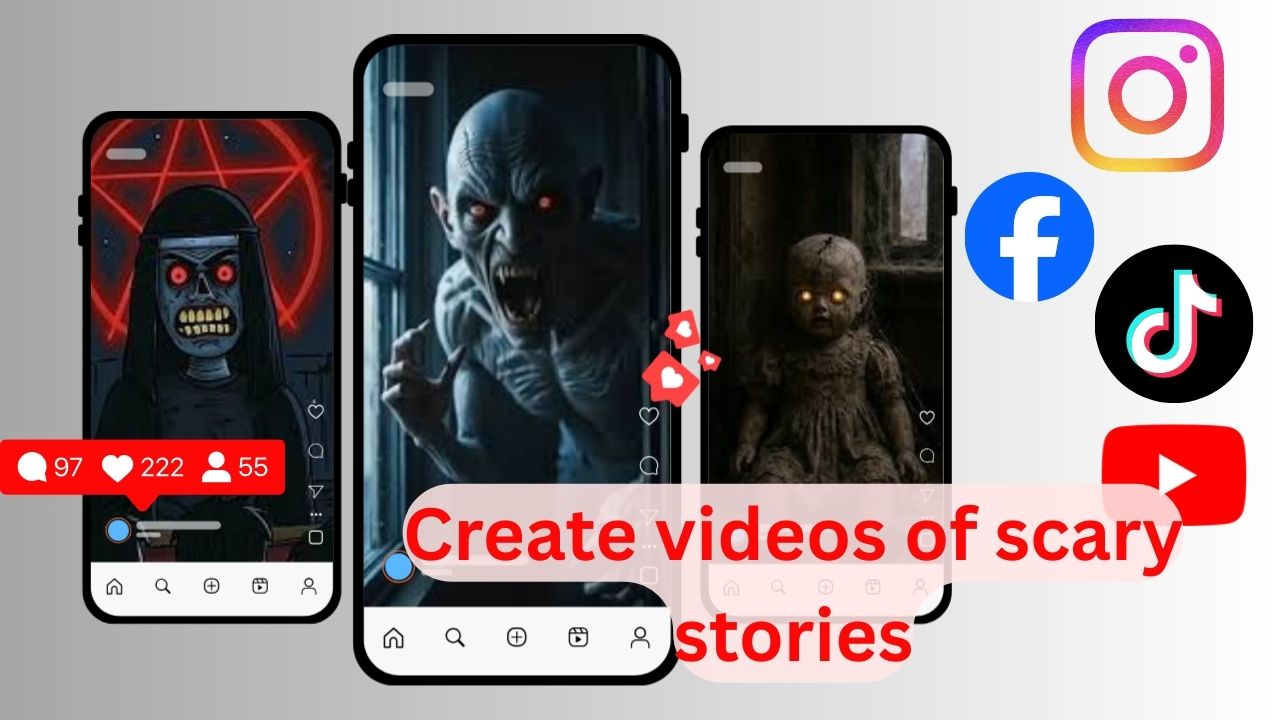
Have you ever felt chills running down your spine while watching a short TikTok video telling a mysterious unresolved story? You are not alone. In 2026, audiences are no longer satisfied with ordinary educational or entertainment content; "digital adrenaline" has become the most valuable currency.
When I started developing the Khawarizmai blog and the Abdou Myth channel, I discovered an amazing truth: the YouTube Shorts and TikTok algorithms love stories that start with a terrifying "Hook". People cannot stop watching until they know the ending. The best part? You don’t need a professional camera or studio. You only need a "tech kitchen" that combines the best artificial intelligence tools.
In this guide, I will share my personal experience and how I moved from simply "testing tools" to building a complete system that produces professional videos in minutes. We will cover everything from open source AI to how to use free AI tools to start your project from scratch.
Comparison of the Best AI Video Creation Tools (2026)
Before we start, here is a comparison summarizing the tools I personally used:
Tool Name
- Claude 3.5/4 - Writing dramatic scripts - Free and paid - 10/10 (best for storytelling)
- Nano Banana - Generating realistic 3D characters - Free (quota based) - 9.5/10 (incredible accuracy)
- Kling AI / Veo - Converting images into video - Limited free / paid - 9/10
- ElevenLabs - Human horror voice-over - Free (10k characters) - 10/10 (unmatched)
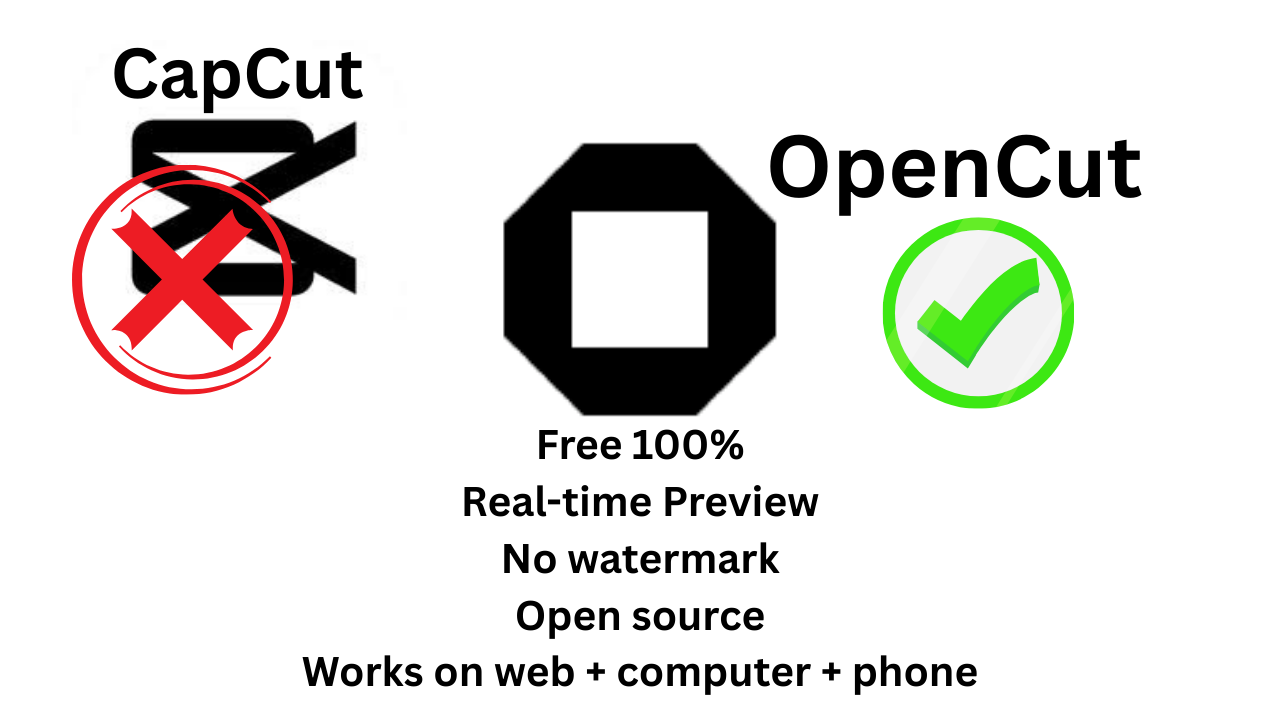
- CapCut - Final editing and captions - Free - 9/10
Step 1: Writing a "Powerful" Script with Claude AI
The script is the backbone. If the script is boring, even the best graphics in the world will not save you. In 2026, we move away from traditional stories and focus on "shocking realism".
Using smart prompts
Instead of saying "write me a horror story", use the "layer technique". Ask Claude to act as an award-winning mystery screenplay writer.
Tip from Khawarizmai experience: always start your story with an event that happens in the very first second. Example: "The moment I opened the door, I found a message written in my blood saying: don't look behind you."
Use open source AI models like Llama 3 available on Hugging Face if you want a private and unrestricted environment. They are among the best Hugging Face alternatives when it comes to customizing local stories (like the legends I used to write about).
Step 2: Designing Characters Smartly (Nano Banana 2)
A common mistake beginners make is using generic images. To succeed in "Beginner AI projects", your character must be unique.
Use the Nano Banana 2 model (also known as Gemini 3 Flash Image) to create professional 3D characters in a "Blender-style" look.
Professional character prompt:
3D character design, professional lighting, cinematic horror atmosphere, expressive eyes, realistic textures, 8k resolution, vertical 9:16 --ar 9:16
Step 3: Turning Still Images into Motion (Veo & Kling)
This is where the magic happens. Turning an image into a video (Image-to-Video) is what separates professionals from amateurs.
Veo: Google's newest tool that provides high-quality cinematic movement. (Available for Ultra and Pro subscribers).
Kling AI: If you want complex movements like "eating" or "running", it is currently the best option.
When using these tools, focus on "small facial movements". A blink, a mysterious smile, or a slight head turn is enough to create tension.
Step 4: The Voice That Creates Chills (ElevenLabs & Lyria 3)
Voice represents 50% of the video experience. Never use old robotic voices.
In ElevenLabs, search for voices like "Marcus" or "Bella" and adjust "Stability" and "Exaggeration" to get a dramatic tone.
For background music, in 2026 we rely on Lyria 3 to generate unique 30-second tracks that change with the pace of the story.
Step 5: Editing and Virality (The Virality Formula)
Use CapCut to combine everything. The secret in 2026 is Auto Captions. Words must appear clearly in the middle of the screen with motion effects.
Publishing strategy:
TikTok: post 3 times daily during peak hours (7 PM to 11 PM).
YouTube Shorts: focus on SEO in the title.
Hashtags: use a mix of #AI_Horror #Mystery #Storytelling.
My Personal Experience: How I Built the "Abdou Myth" Section
When I first started creating mystery content, I used to spend hours editing manually. But once I began using AI automation, everything changed. I remember my first "viral" video, which told a legend in a modern 3D style.
I used free AI tools in the beginning to test the concept, then switched to paid tools once my income exceeded $100 per month.
The golden rule I learned: audiences search for "authenticity" even in fictional stories. Make your stories touch their real fears.
FAQs: Frequently Asked Questions
1. Can I start completely for free?
Yes, you can use Claude for scripting, Leonardo AI for images, and Meta AI for basic animation. However, professional quality will require a small investment later.
2. Does TikTok reject AI-generated content?
On the contrary, TikTok supports creativity, but you should label "AI Generated Content" if the video looks very realistic to avoid account restrictions.
3. What is the best niche right now?
"True Crime" stories and "mysterious disappearance" stories are the most popular in 2026.
4. How can I get endless ideas?
Ask Claude to analyze "Reddit NoSleep" and extract trending ideas, then rewrite them in your own style.
Conclusion:
Your future starts with "Action"
Creating content in 2026 is accessible to everyone, but true "excellence" belongs to those who master the art of combining tools. Don’t wait for perfection; start your first video today, even if it’s not perfect. Remember that consistency is what will bring you thousands of dollars, not luck.
If you found this guide useful, don’t forget to subscribe to the Khawarizmai newsletter to receive the latest secret prompts and technology updates.